In construction, the strength of any structure begins long before concrete is poured or walls are built. It starts with the ground beneath. One of the most important yet often overlooked materials in this stage is select fill. It plays a critical role in shaping stable foundations, achieving proper grading, and ensuring long term structural performance. For contractors sourcing Construction Materials for Pickup, select fill is often a key material because it offers reliability, consistency, and immediate availability for site preparation work.
For contractors, builders, and site developers, understanding when and why to use select fill can directly impact project quality, cost efficiency, and durability.
What Is Select Fill in Construction?
Select fill is a carefully processed and graded construction material used primarily for structural filling, site leveling, and foundation preparation. It is typically free from large debris, organic matter, and inconsistent particle sizes. The consistency of this material allows it to compact uniformly, which is essential for stable ground support.
Unlike general fill dirt or unprocessed excavation waste, select fill is engineered or screened to meet specific construction requirements. It is commonly used in road construction, building foundations, embankments, and grading projects where stability is critical.
When contractors look for Construction Materials for Pickup, select fill is often one of the first materials selected because of its reliability and predictable compaction behavior.
Key Properties of Select Fill
Select fill is chosen for its performance characteristics rather than just availability. The most important properties include:
1. Uniform Particle Size
Consistent sizing allows even compaction across the entire surface. This reduces weak zones that can lead to settlement issues later.
2. High Compaction Ability
Properly compacted select fill forms a solid base that supports heavy structural loads such as buildings, roads, and parking lots.
3. Low Organic Content
Organic material decomposes over time and causes shifting. Select fill avoids this issue, improving long term stability.
4. Drainage Control
Depending on composition, select fill can support controlled drainage, preventing water accumulation under foundations.
5. Structural Stability
Its engineered nature ensures that it holds shape under pressure, making it suitable for load bearing applications.
When Should You Use Select Fill?
Knowing the right time to use select fill helps avoid unnecessary costs and structural failures. Here are the most common scenarios where it is the right choice.
Foundation Preparation
Select fill is widely used as a base layer under residential, commercial, and industrial foundations. It creates a stable platform that reduces shifting and cracking over time.
Road and Driveway Construction
In roadwork, stability is essential. Select fill supports pavement layers and ensures even load distribution.
Site Grading and Leveling
Uneven land requires proper grading before construction begins. Select fill helps create uniform elevation across the site.
Embankments and Slopes
It is used to build or reinforce embankments where controlled compaction is required to prevent erosion or collapse.
Utility Installation Projects
For pipelines, cables, and drainage systems, select fill provides a stable backfill that protects installed infrastructure.
In all these applications, contractors often source materials through various construction materials for pickup yards to ensure quick availability and direct control over quantity.
Why Choose Select Fill Over Other Materials?
Not all fill materials perform the same way. Choosing select fill over standard fill dirt or mixed debris offers several advantages.
Predictable Performance
Because it is processed and screened, contractors know exactly how it will behave during compaction.
Reduced Risk of Settlement
Poor fill materials often settle unevenly. Select fill minimizes this risk, protecting structures above it.
Better Load Distribution
It spreads weight evenly, which is critical for heavy structures and traffic areas.
Improved Construction Efficiency
With fewer inconsistencies, contractors spend less time correcting grading issues.
Long Term Cost Savings
While it may cost slightly more upfront, it reduces repair and maintenance expenses in the long run.
Common Applications in Real Projects
Select fill is not limited to one type of construction. It is used across multiple project categories.
Residential Projects
- House foundations
- Backyard leveling
- Garage pads
Commercial Projects
- Parking lot bases
- Building pads
- Retail site preparation
Infrastructure Projects
- Road base preparation
- Highway embankments
- Drainage correction layers
In each of these applications, proper material selection directly influences structural performance.
Select Fill vs Other Fill Materials
Understanding the difference between select fill and other materials helps avoid incorrect usage.
Select Fill vs Fill Dirt
Fill dirt is unprocessed and may contain organic matter. Select fill is screened and more stable.
Select Fill vs Gravel
Gravel provides drainage but does not compact as uniformly as select fill in base applications.
Select Fill vs Recycled Base Materials
Recycled materials like crushed concrete are stronger in load-bearing applications but may not always provide the same grading precision.
Select Fill vs General Fill
General fill is inconsistent and often unsuitable for structural applications.
Common Mistakes Contractors Should Avoid
Even experienced contractors make mistakes when working with select fill.
Using Non-Compacted Layers
Improper compaction leads to settlement issues later.
Mixing Materials Incorrectly
Combining select fill with organic waste reduces stability.
Ignoring Moisture Levels
Too dry or too wet material affects compaction quality.
Poor Layer Thickness Control
Thick uncontrolled layers reduce compaction efficiency.
Avoiding these mistakes ensures better structural outcomes and reduces long term repair costs.
Transport and Pickup Considerations
Many contractors prefer sourcing directly from material yards offering Construction Materials for Pickup because it provides flexibility and cost control.
Before pickup, consider:
- Required volume calculation
- Truck capacity and load limits
- Moisture content of material
- Distance and delivery time saved through pickup
Efficient pickup planning reduces downtime and improves project scheduling.
How Select Fill Supports Sustainable Construction
Modern construction increasingly focuses on sustainability. Select fill contributes to this goal by reducing the need for unnecessary excavation and by optimizing material use on site.
When paired with recycled materials such as crushed concrete or recycled asphalt, it becomes part of a more resource efficient construction process. Many suppliers offering various construction materials for pickup now integrate recycled options alongside select fill to support eco conscious building practices.
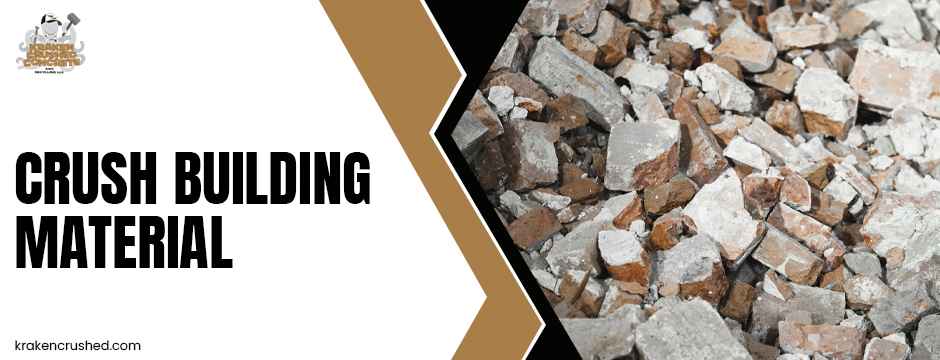
In some projects, select fill is also combined with a crush building material base layer to improve structural strength while maintaining grading precision.
Project Planning Checklist for Select Fill Use
Before starting a project involving select fill, contractors should ensure:
- Site survey and grading plan is complete
- Load bearing requirements are defined
- Moisture conditions are assessed
- Compaction equipment is available
- Transport logistics are arranged
- Material quantity is accurately estimated
Proper planning avoids delays and cost overruns.
About Kraken Crushed Concrete
At Kraken Crushed Concrete, we understand how critical material quality is for foundation and grading work. We supply select fill and other essential construction materials that meet the demands of contractors working on residential, commercial, and infrastructure projects.
We focus on providing reliable access to various construction materials for pickup, ensuring that builders can collect what they need without delays. Our yard is structured to support efficient loading, accurate measurement, and consistent material availability.
We also help contractors choose the right combination of materials based on project type, whether it is base preparation, grading correction, or foundation support. Our goal is to make every pickup process simple, predictable, and aligned with job site requirements.
Conclusion
Select fill is one of the most important materials in construction groundwork. It provides stability, improves grading accuracy, and supports long lasting structural performance. Choosing the right material at the foundation stage reduces future risks and ensures better construction quality.
For contractors, understanding how and when to use select fill is essential for efficient project execution. When sourced correctly and applied properly, it becomes the backbone of reliable construction work that stands the test of time.
Frequently Asked Questions
1. What is select fill used for in construction?
Select fill is mainly used for foundation preparation, site grading, road base work, and structural backfilling. It creates a stable and compact surface that supports buildings, roads, and other heavy structures.
2. Why is select fill better than regular fill dirt?
Select fill is processed and screened to remove organic matter and large debris, which makes it more stable and predictable. Regular fill dirt can settle unevenly over time, while select fill offers better compaction and long-term strength.
3. When should contractors choose select fill for a project?
Contractors should choose select fill when working on foundations, road bases, embankments, or any project that requires a strong and level base. It is especially important in areas where load-bearing stability is critical.
4. Can select fill be used for drainage or landscaping?
Yes, but its main strength is structural support rather than drainage. For landscaping, it is usually used as a base layer before adding topsoil or other finishing materials.
5. Where can contractors source select fill easily?
Many contractors source it from suppliers offering Construction Materials for Pickup, which allows quick access to select fill along with other essential materials needed for site preparation and grading work.