The construction world is changing faster today than it has in decades. Most people in the industry have already noticed the shift. Contractors are being asked to reduce waste, handle debris more responsibly, and meet strict environmental expectations on every project. Cities and municipalities are tightening rules. Builders are under pressure to hit sustainability targets. Governments want cleaner job sites, lower carbon footprints, and less material dumped in landfills.
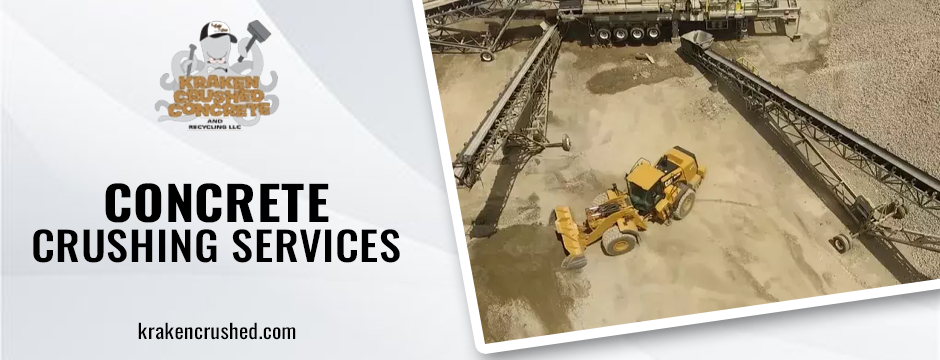
All of this directly affects one sector more than any other. Concrete recycling. As demand grows for responsible material handling, concrete crushing services are moving from a nice-to-have to a critical requirement for both small contractors and large project owners.
For anyone looking up crushing companies near me, or anyone already offering concrete recycling solutions, the years from 2025 to 2030 are shaping up to be some of the most important years for the industry. The rules are evolving. The pressure is increasing. And the companies that pay attention to policy shifts will be the companies that succeed.
This guide breaks down the major regulatory changes ahead, the rise of circular construction, and what all of this means for the future of concrete crushers. More importantly, it also explains why Kraken Crushed Concrete is positioned to help builders stay fully compliant while keeping costs down and productivity high.
Why Governments Are Tightening Regulations on Concrete Waste
The push for sustainability is no longer something only big corporations talk about. Local governments are creating their own guidelines for waste reduction, landfill diversion, dust control, equipment emissions, and responsible use of recycled materials. This shift is driven by a few major factors:
1. Landfills are reaching capacity
Cities across the world are struggling with limited landfill space. Concrete is one of the heaviest contributors to construction waste. Crushing it on site and reusing it as aggregate dramatically reduces the volume heading to dumps.
2. Recycled aggregate has proven to be reliable
There was a time when many engineers avoided recycled concrete because they worried about quality. That has changed. Better crushing technology and improved screening processes have made recycled aggregate consistent and dependable. Many government projects now specify it as a preferred base material.
3. The global focus on carbon reduction
Every part of the construction process is now being evaluated for carbon emissions. Transporting heavy concrete debris burns a massive amount of fuel. On-site crushing can cut emissions immediately by reducing multiple trips to distant disposal sites.
4. Developers want sustainability credentials
Green buildings have higher value, better marketing potential, and stronger community acceptance. Contractors who offer concrete crushing services give developers a straightforward way to meet their sustainability promises.
All of these factors have pushed regulators to tighten expectations. And this is only the beginning.
The Regulatory Direction from 2025 to 2030
Here is what concrete crushers and contractors should expect to see in the next few years.
1. Mandatory Waste Diversion Targets
Many cities are planning to set minimum recycling rates for demolition and construction waste. This means contractors will be required to recycle a certain percentage of concrete or risk penalties. The easiest solution will be on-site or near-site crushing.
2. Stricter Dust and Air Quality Rules
Expect more rules on particulate control. Crushing equipment that fails to meet new dust suppression standards will face limitations or fines. Water misting, enclosure systems, and upgraded crushing machines will become standard requirements.
3. Emissions Reporting for Heavy Equipment
Regulators are moving toward carbon reporting for machinery. Crushing units with outdated engines may need retrofits or replacements. Electric and hybrid crushers will likely see incentives.
4. More Government Projects Requiring Recycled Concrete Aggregate
DOTs, municipal road programs, and public infrastructure projects are steadily shifting toward recycled materials. By 2030, many regions will likely require at least partial recycled content in road base, utility fill, and non structural concrete.
5. Restrictions on Landfilling Usable Concrete
Some regions are already moving toward bans on landfilling recyclable concrete. Others may impose heavy tipping fees to discourage dumping.
6. Digital Tracking of Waste Materials
Project owners may need to provide a digital log of material handling. This includes where concrete was generated, where it was crushed, and how much recycled aggregate was reused. Crushing companies near me that provide digital tracking will be in higher demand than ever.
The Rise of the Circular Construction Economy
The term circular economy is becoming mainstream in construction. At the simplest level, it means materials should be reused, not wasted. Concrete is one of the easiest materials to recycle, which makes concrete crushers a critical part of this movement.
Here is how circular construction will reshape the industry between now and 2030:
1. More contractors will choose recycled aggregate over virgin material
Why pay for fresh stone when crushed recycled concrete is just as strong and far more affordable?
2. On-site crushing will boost productivity
Instead of hauling debris away and waiting for aggregate deliveries, contractors can generate material on site. This cuts downtime and reduces dependency on trucking.
3. Developers will expect sustainability documentation
Crushing companies that help contractors track environmental benefits will stand out.
4. Community and environmental groups will support recycling orientated projects
Developers are under increasing pressure to show responsible waste management to get community approval for new builds.
This shift is not a trend. It is becoming the new normal.
How These Regulations Increase Demand for Concrete Crushing
The combination of all these policies creates one clear conclusion. Concrete crushing services are becoming essential for compliance, cost control, and operational efficiency. Demand will grow significantly for companies that can keep up with new rules.
Contractors will specifically look for crushing solutions that help them:
- Avoid fines
Landfill rules, waste diversion targets, and air quality standards will become costly if ignored.
- Meet bid requirements
Government and commercial projects will increasingly request recycled aggregate usage.
- Save money on trucking, fuel, and landfill fees
Crushing concrete on site is usually far cheaper than hauling tons of waste to a disposal facility.
- Hit sustainability KPIs and reporting obligations
Contractors will need detailed breakdowns of recycled volumes, emissions savings, and landfill diversion percentages.
- Strengthen their project timeline
With on-site crushing, material is always available exactly when needed.
For anyone searching crushing companies near me, these pressures make the service not just convenient but necessary.
Why Kraken Crushed Concrete Is Positioned for the Future
Kraken Crushed Concrete stays ahead of regulatory changes so contractors never have to worry about compliance. The company focuses on three pillars that align directly with the new sustainability landscape.
1. Environmentally Responsible Operations
Kraken uses modern crushing equipment designed for minimal dust, high efficiency, and lower emissions. This helps contractors meet environmental expectations without changing their workflow.
2. High Quality Recycled Aggregate
Many buyers are surprised when they see the consistency and quality of Kraken’s crushed concrete. The material is clean, strong, durable, and produced to tight specifications suitable for:
- Road base
- Utility trench backfill
- Driveways
- Commercial site pads
- General construction fill
This quality makes it easy for builders to meet recycled material requirements without compromising performance.
3. Clear Documentation and Reporting
Regulators want transparency. Kraken offers detailed reporting on material volumes, waste diversion, and recycling percentages, giving contractors the documentation they need to satisfy supervisors, clients, and inspectors.
What Contractors Should Do Now to Stay Ahead
The companies that prepare early will be the ones that win the biggest projects in the coming years. Here is what contractors should start doing today:
- Review upcoming local waste rules
Many regions publish draft proposals months before they become law.
- Source reliable crushing partners
Search for crushing companies near me that can offer consistent material supply and high volume handling.
- Use recycled materials whenever possible
This builds a strong track record and prepares teams for future requirements.
- Add sustainability metrics to project planning
Clients increasingly expect reporting on waste reduction and recycling.
- Partner with companies that understand policy shifts
This saves time, avoids mistakes, and prevents non compliance issues.
Final Thoughts
The construction industry is entering a period where sustainability is no longer optional. Regulations are tightening, and expectations are rising. Concrete waste is one of the easiest materials to recycle, which puts concrete crushing services at the center of this transformation.
From 2025 to 2030, the companies that embrace recycling will see the greatest benefits. Lower costs, easier compliance, stronger bids, and more sustainable operations. Kraken Crushed Concrete is ready to help contractors make that transition smoothly, reliably, and profitably.
If you want to stay ahead of new regulations, reduce waste costs, or improve your project sustainability rating, partnering with the right crushing provider is one of the smartest decisions you can make.
Kraken Crushed Concrete is here to guide your projects into the new regulatory era with confidence.